- Maintain general fitness to handle dive equipment and currents.
- Undergo a medical evaluation if needed, especially for pre-existing conditions.
- Stay hydrated and acclimatized to avoid decompression issues.
Understanding the Health and Fitness Requirements for Diving in Kalimantan
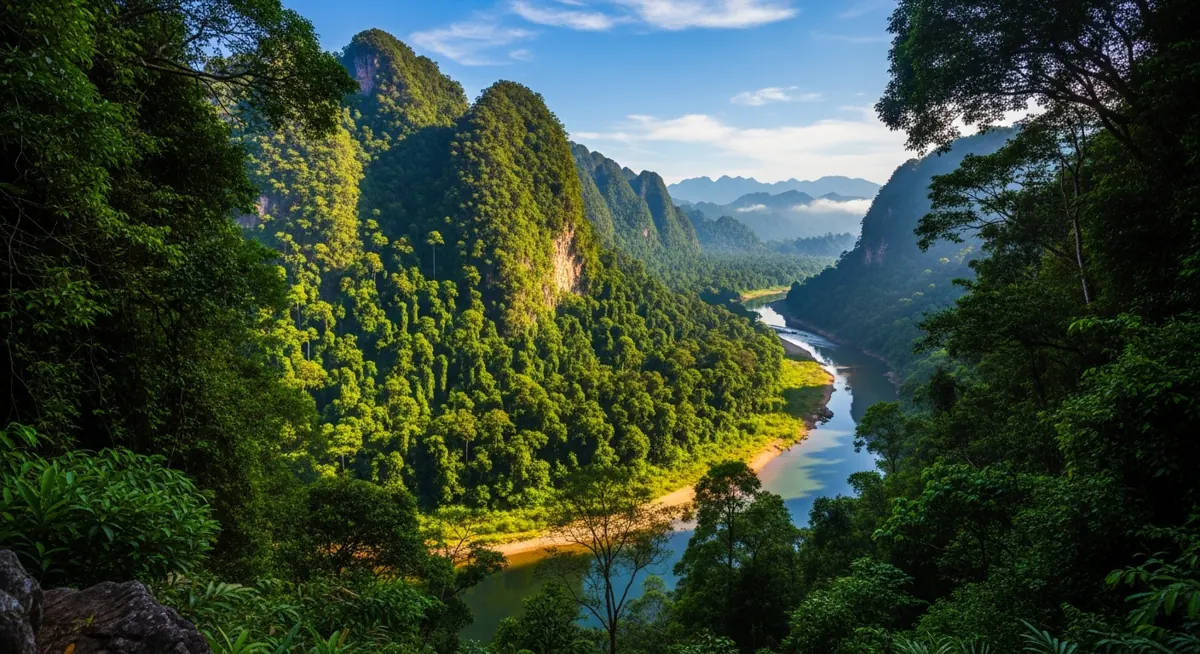
Kalimantan, particularly the Derawan Islands, Maratua Island, Sangalaki Island, and Kakaban Island, is renowned for its rich marine biodiversity and vibrant coral reefs. However, enjoying these underwater wonders requires attention to health and fitness.
Physical Fitness for Diving
Diving demands a certain level of physical fitness. While you don’t need to be an elite athlete, being in good shape helps you manage dive gear and deal with potential underwater currents. Here are key fitness aspects to consider:
– Cardiovascular Health: Diving can be physically demanding. A strong cardiovascular system improves your stamina, allowing you to dive longer and recover quicker between dives.
– Strength and Flexibility: Core strength is crucial for maneuvering underwater. Regular strength training, particularly for your core, arms, and legs, can help. Flexibility is equally important, as it aids in wearing dive gear comfortably.
– Balance and Coordination: Good balance helps in buoyancy control, which is vital for safe and enjoyable diving. Activities such as yoga or martial arts can enhance these skills.
Medical Considerations
Diving is not without risks, especially for individuals with certain medical conditions. Before set out on a dive trip, consider the following:
– Medical Evaluation: If you have a chronic illness (e.g., asthma, heart conditions), consult a dive physician for a thorough assessment. Some dive operators may require a medical certificate.
– Diving Insurance: Ensure you have appropriate travel and diving insurance. This can cover unexpected medical emergencies that may arise during your trip.
– Decompression Illness: Understanding how to avoid decompression sickness is vital. Adhere to dive tables and never skip safety stops when ascending.
Hydration and Nutrition
Maintaining hydration is essential while diving. The warm climate of Kalimantan can lead to dehydration, which increases the risk of decompression sickness. Here are some hydration tips:
– Drink Water: Aim for at least 2-3 liters of water daily, increasing intake on dive days.
– Electrolytes: Consider electrolyte drinks, especially if you sweat heavily.
– Balanced Diet: Consume a diet rich in whole foods. Focus on lean proteins, fruits, and vegetables to maintain energy levels.
Acclimatization
Acclimatization is key when traveling to different altitudes or climates. While Kalimantan isn’t typically associated with high altitudes, transitioning from cooler climates can still lead to adjustment challenges.
– Arrive Early: If possible, arrive a few days before your diving trip to acclimatize to the local climate.
– Moderate Activity: Engage in light activities upon arrival to adapt without overexerting yourself.
Mental Preparation
Diving isn’t just a physical activity; mental preparation is equally vital. Stress can hinder your ability to dive safely.
– Practice Relaxation Techniques: Methods such as deep breathing, meditation, or visualization can help calm nerves before diving.
– Dive with a Buddy: Having a dive partner enhances safety and can help alleviate anxiety.
Dive Equipment Familiarity
Familiarity with dive equipment can significantly affect your comfort and safety underwater. Ensure you:
– Practice with Gear: If you’re using rental equipment, practice in a controlled environment before your first dive.
– Check Equipment: Always inspect gear for functionality before each dive. Report any issues to your dive operator.
Best Times to Dive in Kalimantan
Kalimantan offers diverse diving opportunities throughout the year, but specific times are optimal for certain experiences:
– Dry Season (March to November): Best visibility and calm waters. Ideal for exploring the reefs around the Derawan Islands and Sangalaki.
– Wet Season (December to February): Though diving can still occur, visibility may be reduced due to rain and currents.
Safety Protocols
Adhering to safety protocols is crucial in preventing accidents during dives. Here are some essential guidelines:
– Follow Dive Plans: Always stick to pre-established dive plans, including depth limits and time restrictions.
– Emergency Procedures: Familiarize yourself with emergency procedures, including how to handle equipment failure and ascent protocols.
Choosing the Right Dive Operators
Selecting a reputable dive operator is critical for your health and safety. Research operators that:
– Provide Safety Briefings: Ensure they offer comprehensive safety briefings before dives.
– Have Experienced Instructors: Look for operators with certified instructors who are knowledgeable about the local marine environment.
– Maintain Equipment: Confirm that they regularly maintain and inspect their dive equipment.
Key Takeaways
KalimantanLuxury provides an unparalleled diving experience in one of the most biodiverse marine environments on the planet. However, committing to your health and fitness is essential for maximizing your enjoyment and safety while exploring the underwater realms of Kalimantan.
By focusing on physical fitness, undergoing necessary medical evaluations, staying hydrated, acclimatizing to the local climate, and adhering to safety protocols, you can ensure a memorable diving adventure. If you’re diving around the vibrant coral reefs of Maratua Island or exploring the unique marine life near Kakaban Island, preparation is key to having a safe and enjoyable experience.
Plan Your Trip
Are you ready to dive into the wonders of Kalimantan? Explore our luxury liveaboards and bespoke travel experiences at KalimantanLuxury. Ensure you meet the health and fitness requirements for an singular diving adventure!
Planning specifics? See packages.
Planning specifics? See see current rates or our book Kalimantan Luxury | Kalimantanluxury guide.
Understanding Marine Biology for Divers
Exploring the underwater world of the Derawan Islands is not just about the adventure; it’s a chance to engage with the rich marine biodiversity that thrives in these waters. For those diving at Maratua’s renowned Big Fish Country, understanding the marine ecosystem becomes crucial due to the unique interactions observed here. The channel’s strong currents create a dynamic environment, attracting a myriad of pelagic species. With schools of barracuda forming vertical “tornadoes,” divers can witness one of Southeast Asia’s most mesmerising natural spectacles. These schools can number up to 1,000, making it a prime spot for those interested in marine biology. Additionally, encounters with nurse sharks, reef sharks, and the occasional hammerhead offer divers a comprehensive view of predator-prey dynamics in a thriving marine ecosystem.
On Sangalaki Island, the focus shifts to the striking reef manta rays. Known for their grace and size, these creatures frequent the island’s cleaning stations at Manta Run and Manta Parade. The presence of cleaning stations highlights the symbiotic relationships within the marine environment, where smaller fish provide cleaning services to the mantas. The increased activity from April to October, during the Southeast Monsoon, coincides with plankton blooms, offering divers a seasonal spectacle. Understanding these biological interactions not only enriches the diving experience but also fosters a deeper appreciation for the delicate balance of marine life in the Derawan Islands. Whether navigating the strong currents of Maratua or observing the gentle giants of Sangalaki, divers gain insights into the complex marine ecosystems that make this region a captivating destination.